

Exploring Gamification in the Classroom
This week, we dove into the world of gamification, exploring how digital games and game-based platforms can transform learning into something interactive, challenging, and genuinely fun. From math battles in Prodigy, to creative storytelling on PBS Kids, coding adventures in Scratch, and immersive simulations through Wired, we explored a wide range of tools that connect play with purpose.
Photo by Addy Spartacus on Unsplash
At first glance, it’s easy to think gamification is just about adding games to learning, but it’s so much more than that. It’s about utilizing the elements that make games engaging, including progress, challenge, feedback, and collaboration, to motivate and deepen learning. Watching how students respond to these tools makes it clear that well-designed gamified learning experiences can increase focus, boost confidence, and spark curiosity in ways traditional lessons sometimes can’t.
When we talk about gamification in education, we’re really talking about the art of blending the motivation and engagement found in video games with meaningful learning experiences. The Video Game Model highlights what makes games so effective at holding our attention using clear goals, instant feedback, increasing challenges, and a sense of progression and reward. These same principles can be powerful tools in the classroom when used intentionally.
Gamification is more than just adding points or badges; it’s about designing learning experiences that mirror how games motivate players. Games encourage persistence through failure (“try again!”), reward small successes, and create curiosity through exploration. They give players, or in this case, students, autonomy and a sense of ownership over their progress.
Gaming For Me
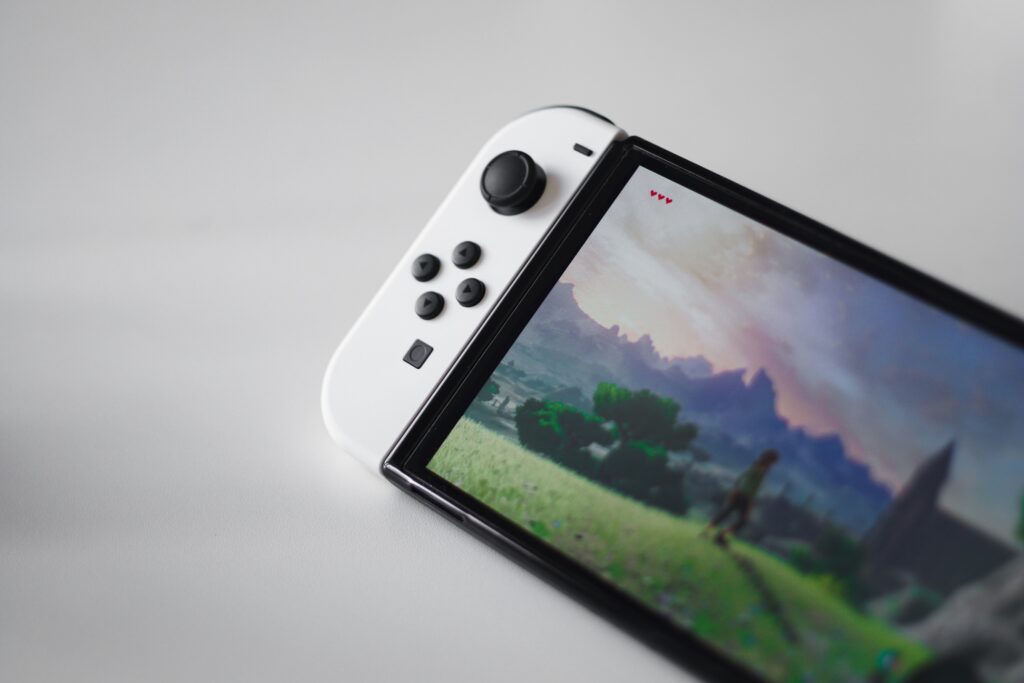
Photo by Victor Carvalho on Unsplash
Thinking back to my own gaming experiences, I can see how this model has always worked on me. In school, I remember playing Ski Free and Rodent’s Revenge — simple computer games that kept me glued to the screen because I wanted to beat my previous score or finally outsmart that cat! Outside of school, games like The Legend of Zelda and Super Mario were a huge part of my life, and honestly, they still are. I’ve spent hours exploring worlds, solving puzzles, and unlocking new levels. What made those games so powerful wasn’t just the graphics or the competition; it was the sense of purpose, discovery, and growth that kept me coming back.
As a future educator, I can absolutely see myself using gamification in the classroom. Not every student connects with traditional lessons, but most understand what it means to take on a challenge, level up, and feel proud of progress. Whether it’s using platforms like Prodigy or Blooket to make math more interactive, Scratch to bring creativity and coding together, or even designing classroom “quests” that let students earn achievements for collaboration and effort, gamification offers countless ways to make learning active and meaningful.
At its core, gamification reminds us that learning should feel like an adventure. One where students aren’t afraid to fail, keep trying, and celebrate their growth along the way. Just like in Zelda or Mario, the real joy isn’t in finishing the game, it’s in the journey of becoming stronger, smarter, and more confident with every step.