

What is GenAI?
When you think about Artificial Intelligence (AI) in schools, your mind might jump straight to students thinking it is the easy way out, and that they will use it to cheat their work as well as themselves. But in reality, Generative AI (GenAI) can be much more than a shortcut, it can be a powerful partner in creativity, critical thinking, and collaboration, especially in middle school.
Grades 7–9 are that incredible in-between space where students are starting to question, debate, and imagine the kind of world they want to build and who they are as people. This is where GenAI can help them think bigger, not just work faster.
Appropriate Usage
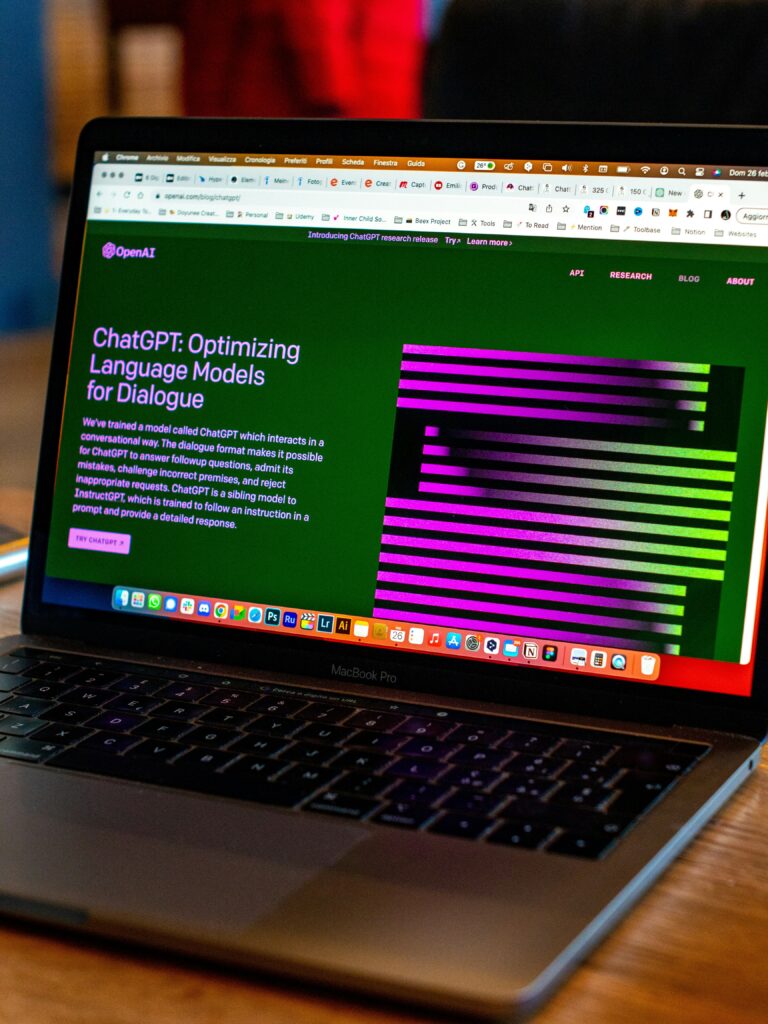
Photo by Emiliano Vittoriosi on Unsplash
1: AI as a Writing Coach, Not a Ghostwriter
One of the most exciting ways to use GenAI is as a drafting or feedback buddy. Students can brainstorm thesis ideas, get feedback on tone, or explore alternative sentence structures.
For example:
- “Can you suggest a stronger hook for my essay about climate change?”
- “Help me make my paragraph sound more persuasive without rewriting it.”
A great tool that has personally helped me with my writing is Grammarly. I would definitely recommend this program for struggling writers.
Why it works: It encourages reflection and revision rather than replacement. Students learn to critically analyze writing suggestions, developing stronger communication and editing skills essential for lifelong literacy.
2: Creative Design and Media Projects
Whether students are making podcasts, storyboards, or campaign posters, GenAI tools like Canva or image generators can help them visualize ideas in exciting ways.
Imagine a class project where students design advocacy posters for local causes or create AI-generated background images for digital storytelling. They can then critique each other’s designs and discuss ethics, authenticity, and originality in digital art.
Why it works: Students get to use AI to enhance creativity, not replace it. It opens conversations about authorship and digital responsibility while letting imagination lead the way.
3: Debate and Critical Thinking with AI
Middle schoolers love a good debate and GenAI can be a fun “opponent.”
Picture this: students ask an AI to argue a controversial or ethical topic from one perspective (“Why should social media be banned in schools?”), and then they take the opposing side. The AI’s reasoning can become part of the discussion: What arguments are strong? Which ones are biased or incomplete?
A great tool for this activity would be ChatGPT, as, hilariously enough, it often produces false information as well as bias.
Why it works: It sharpens media literacy and argumentation skills while teaching students how to question sources and evaluate bias.
4: Teacher Support — Scaffolds and Differentiation
For teachers, GenAI can be a time-saver behind the scenes. It can generate leveled readings, vocabulary lists, quiz questions, or sentence frames to support diverse learners. For example:
“Rewrite this science explanation for a Grade 7 reading level.”
“Create discussion prompts for different ability groups.”
A great tool for teacher support is MagicSchool.
Why it works: It helps teachers provide equitable access and Universal Design for Learning (UDL) supports while maintaining professional judgment and student safety.
When It’s Not Appropriate

Middle schoolers are still developing voice, integrity, and accountability, so it’s vital they understand that AI is a tool, not a shortcut. Overreliance can lead to loss of creativity or false confidence.
Instead, teachers can guide students to ask questions like:
- “How did this tool help me learn?”
- “Can I explain what the AI wrote — and why?”
- “What’s my original contribution here?”
These reflective habits build digital citizenship and ethical awareness that they’ll carry into high school and beyond.
AI in General Becoming Scary
Warning: Deepfakes, Fake Nudes, and Digital Bullying
One of the scariest ways AI can be misused is to create fake nude images or videos of real people, sometimes called “deepfakes.” These images can be generated without anyone’s consent, then shared to humiliate, blackmail, or bully a student. Even if the images are “fake,” the emotional harm, embarrassment, and social consequences are very real.
What students should know (simple & clear):
- Fake images are still harmful. Seeing a manipulated photo of yourself can be traumatic and sharing one is a form of bullying.
- Never request, create, or forward intimate images of anyone. If someone asks you to, it’s not a joke and can carry heavy consequences.
- If you find or are sent a fake image of yourself, don’t forward it. Save evidence (screenshots with URLs/timestamps), then tell a trusted adult right away.
What teachers/schools can do:
- Teach this topic explicitly as part of digital citizenship: define deepfakes, discuss consent, and practice responses.
- Build a clear, public school policy that explains reporting steps, removal requests, and supports for targets (counseling, temporary schedule changes, etc.).
- Create a “what to do” checklist for students and families: preserve evidence, stop sharing, report to the platform, inform the school, and consider contacting police for threats/blackmail or sexual exploitation.
Quick prevention & response steps (classroom-friendly):
- Talk about consent: use role-plays and scenarios so students can practise saying no and asking for help.
- Bystander training: teach students how to safely intervene (report posts, refuse to share, support the person targeted).
- Digital safety plan: have students identify one adult they will tell and rehearse the exact first steps (save evidence — don’t share — tell an adult).
- Involve families: send a clear parent letter explaining what deepfakes are, how to support a child, and how to report.
- Support, don’t blame: when a student is targeted, prioritize emotional safety first — avoid punishment for victims who might have shared while panicking.
Why this matters: Middle schoolers are developing identity and social standing. A manipulated image can ruin reputations and mental health. Teaching students that technology doesn’t remove responsibility and equipping them with practical steps to prevent and respond helps protect everyone.
Children experiencing bullying, suicide, abuse, depression, or any other difficult life struggles, and who need a safe person to talk to, can reach out to Kids Help Phone.