

In today’s tech class, we all shared and listened to the Educational Technology Inquiries we had this semester. Here is a quick rundown of the list of inquiries:
Group 1: Virtual Field Trips (Chloe, Sophie, and Makayla)

Photo by Remy Gieling on Unsplash
This group brought forward the idea of Virtual Field Trips and how they could be used in the classroom. The focus was on accessibility and how they could overcome the barriers of distance and time.
Accessibility Benefits:
- Physical
- Financial
- Temporal Flexibilty
- Geographic Reach
- Sensory Adaptations
- Language Support
Helpful Links: Learning Llama, ThingLink, and the BBC Learning Hub
Group 2: Unplugged or Unprepared (Daleen, Shae, Dakota, and Grace)

Photo by Glenn Carstens-Peters on Unsplash
This group opened with a more holistic view on how tech should/shouldn’t be used in the classroom. They gathered real, on-the-ground insights by interviewing local teachers through a podcast format. Their main takeaway emphasized being purposeful with technology, selecting digital tools that genuinely support learning and establishing clear limits around how and when they’re used.
Helpful Links: Seesaw, Reading Eggs, Math Seeds, Mystery Science, and UFLI
Group 3: High Tech, Low Tech, and No Tech (Ella, Lela, and Benny)

Photo by Benja Godin on Unsplash
They examined how learning looks across high-tech, low-tech, and no-tech settings. High-tech environments make full use of digital tools and online platforms, low-tech classrooms keep things simple with supports like visuals or timers, and no-tech spaces focus entirely on hands-on, non-digital materials. They noted that each approach has strengths, but no-tech setups can limit inclusion when students rely on digital tools for accessibility. Their core message was to use technology thoughtfully, staying flexible and responsive to students’ actual needs.
Helpful Links: They created a QR code using Mentimeter
Group 4: Technology and Student Safety (Hannah, Breanna, Amanda, and Alexandra)
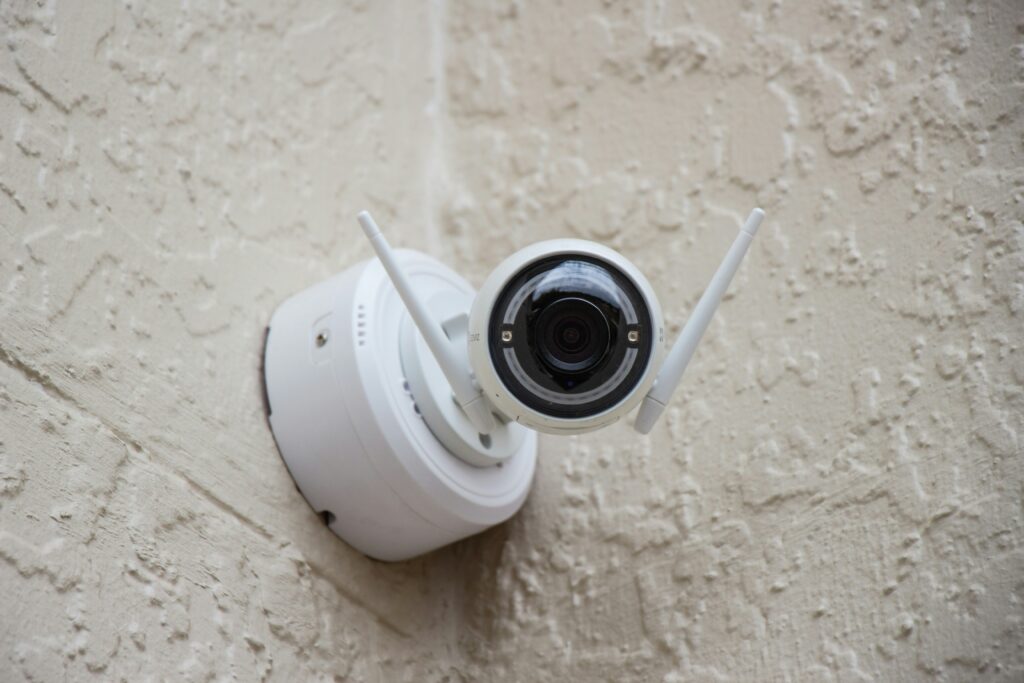
Photo by Alan J. Hendry on Unsplash
This group looked at how technology is being used to strengthen school safety. They reviewed tools like security cameras, predictive analytics, and various emergency response apps. While these tools aim to keep students safe and help families stay aware, the group also raised essential concerns around privacy, trust, and how constant monitoring might emotionally affect students.
Local data from the East Kootenays underscores the seriousness of the issue, with students reporting feeling unsafe, carrying weapons, or experiencing suicidal thoughts, making the balance between safety and privacy even more challenging and essential to address.
Helpful Links: Rave Panic Button, CrisisGo, and Securly
Reflection
Overall, today’s presentations reminded me just how complex “technology in education” really is. It isn’t about being pro- or anti-tech, it’s about being thoughtful. Each group emphasized the importance of intentional use, whether we’re creating deeper access, finding balance between tools, or supporting student safety without compromising their sense of autonomy. As I move forward in my teaching journey, I want to continue asking myself: What purpose does this tool serve? Who does it include—or exclude? And how does it impact the whole learner?
This semester’s inquiries gave me a more holistic, nuanced understanding of educational technology, and I feel better prepared to use it meaningfully and responsibly in my future classroom.